Construction sites across Ireland present unique fire safety challenges that require careful planning and implementation of passive fire protection measures. With multiple trades working simultaneously, temporary structures, and stored materials, ensuring fire safety during construction is essential to protect workers, surrounding properties, and the developing structure itself. This guide examines the minimum requirements for fire safety on Irish construction sites and the role of passive fire protection systems during building works.
Understanding Fire Risk in Construction: Why Passive Fire Protection Matters
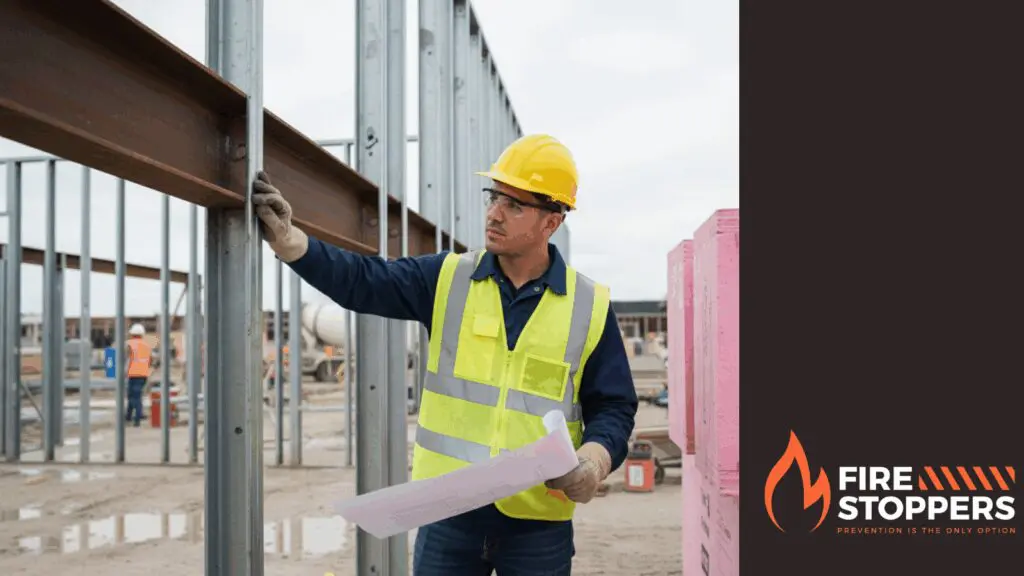
Construction sites face elevated fire risk due to hot works, temporary electrical installations, combustible materials storage, and the absence of completed fire protection systems. The construction industry in Ireland has seen several significant fire incidents that highlight the importance of implementing passive fire protection from the earliest stages of development.
Fire safety measures during construction must address both the protection of workers on site and the prevention of fire spread to adjacent properties. Passive fire protection plays a crucial role in containing potential fire outbreaks until fire services can respond, particularly important given that construction sites often lack the active fire protection systems found in completed buildings.
Regulatory Framework: Fire Safety Standards for Irish Buildings Under Construction

The Safety, Health and Welfare at Work (Construction) Regulations 2013 establish requirements for fire safety on construction sites. These regulations work alongside Part B of the Building Regulations (Technical Guidance Document B) to ensure that fire safety in buildings begins during the construction phase, not just upon completion.
Building owners and main contractors share responsibility for ensuring compliance with fire safety regulations throughout the construction process. This includes maintaining an adequate standard of fire resistance in temporary structures, providing suitable fire evacuation routes, and implementing fire prevention measures appropriate to each phase of construction.
The fire authorities may conduct inspections during construction to verify that fire safety standards are being maintained. Non-compliance can result in work stoppages, fines, and increased liability in the event of a fire incident.
Temporary Fire Protection Systems: Essential Components of Passive Fire Protection
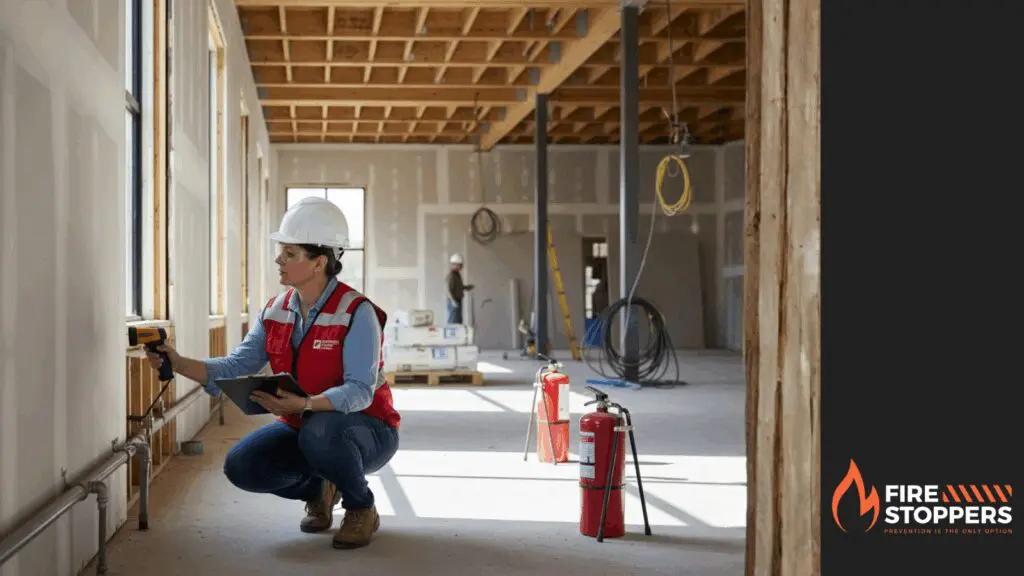
During construction, temporary passive fire stopping solutions protect both workers and partially completed structures. These systems must adapt as construction progresses while maintaining effective fire containment capabilities throughout each phase.
Fire-resistant hoarding and screens serve as temporary fire barriers, containing a fire between construction areas and occupied spaces. These barriers must achieve specified fire resistance ratings, typically 30 to 60 minutes, depending on the proximity to other structures and the nature of work being undertaken. The materials used must prevent the spread of fire and smoke while remaining stable enough to withstand site conditions.
Temporary fire door installations in escape routes require particular attention. Even during construction, fire doors must maintain their integrity and ensure the safety of persons using the building. This includes workers, site visitors, and potentially occupants in partially completed sections of larger developments.
Implementing Passive Fire Protection in Phased Construction Projects
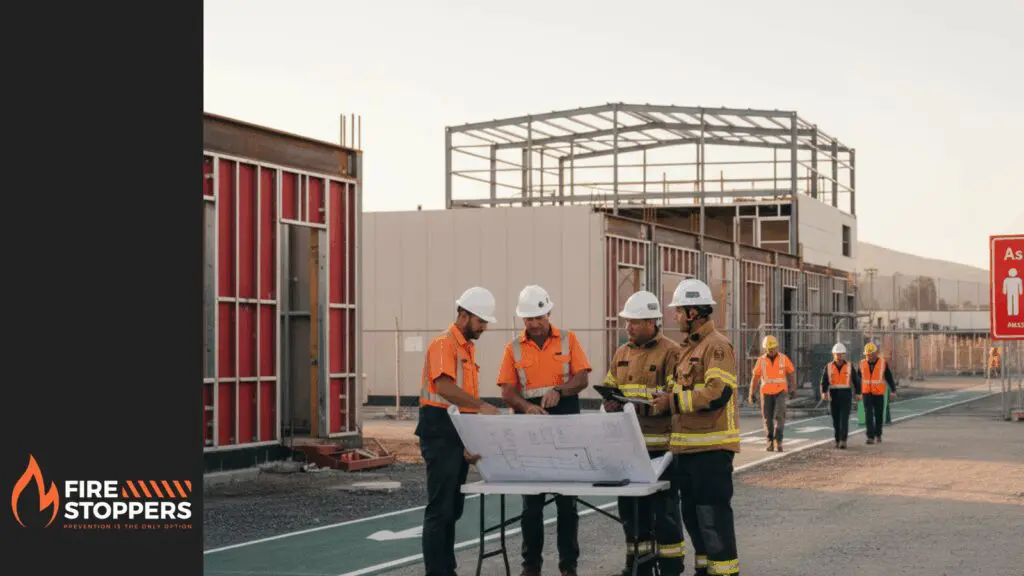
Large construction projects throughout Ireland often involve phased handovers, where portions of a building become occupied while fire precautions are taken elsewhere. This creates complex fire safety challenges requiring comprehensive fire safety planning and coordination between construction teams and building occupants.
Fire containment between occupied and construction zones demands robust passive fire protection measures. Walls and floors separating these areas must be sealed with fire-resistant materials to prevent fire from spreading between zones and to ensure the safety of the building. These separations must meet the same standards for fire resistance as permanent installations, despite their temporary nature.
The construction industry has developed specialised temporary fire precautions to address the unique challenges associated with fire during building works. fire-stopping products designed for these applications. These include intumescent foam systems that can be removed and reinstalled as work progresses, and modular fire-rated partition systems that provide flexible fire containment solutions.
Hot Works and Fire Prevention: Managing Fire Risk Through Safety Procedures
Hot works, including welding, cutting, and grinding, represent one of the most significant fire risks on construction sites. Implementing passive fire protection around hot work areas forms a critical component of the passive fire protection strategy during construction.
Before commencing hot works, contractors must conduct a fire risk assessment To identify potential fire hazards in the immediate area, fire safety solutions should be implemented. This assessment should consider combustible materials, gaps in fire stopping, and the proximity to completed fire protection systems. Temporary fire-resistant screens and blankets provide essential fire containment during these high-risk activities.
Fire watch procedures, extending beyond the completion of hot works, ensure that any smouldering materials are detected before they can develop into significant fires. These procedures work in conjunction with passive fire stopping to enhance fire safety during vulnerable periods.
Material Storage and Fire Safety: Ensuring Fire Safety Through Proper Planning
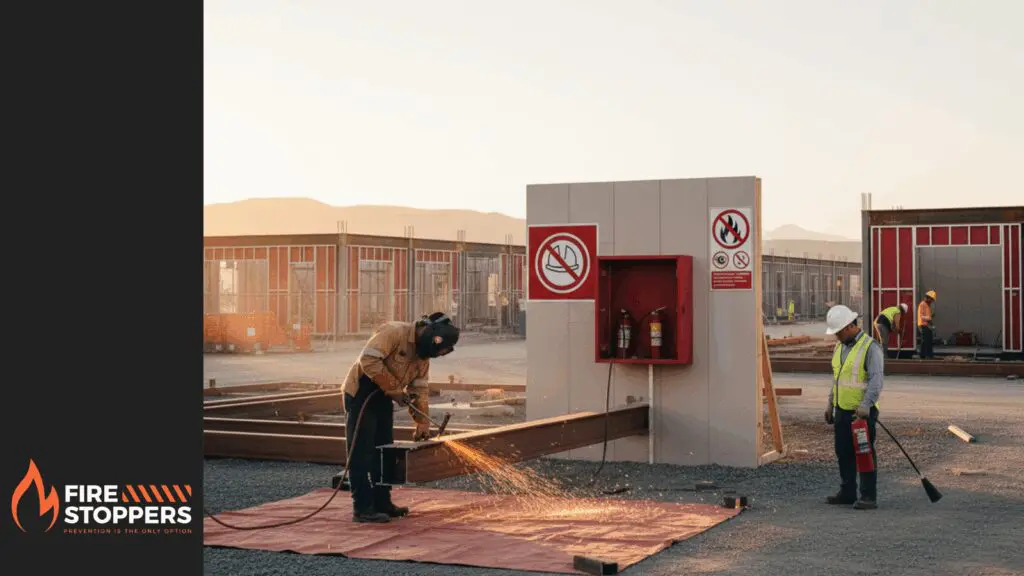
The storage of combustible materials on construction sites requires careful consideration of fire safety principles. Passive fire protection strategies for material storage areas help prevent the spread of fire should an incident occur, protecting both the construction site and the surrounding Irish buildings.
Fire-resistant storage containers and compounds provide structural fire protection for high-risk materials such as solvents, adhesives, and gas cylinders. These storage solutions must comply with fire safety regulations in Ireland while remaining practical for site operations.
Segregation of incompatible materials using fire-rated barriers prevents chemical reactions that could lead to fires. This aspect of fire safety in buildings under construction often receives insufficient attention but represents a crucial element of comprehensive fire protection planning.
Emergency Access and Evacuation: Fire Safety Measures for Site Personnel
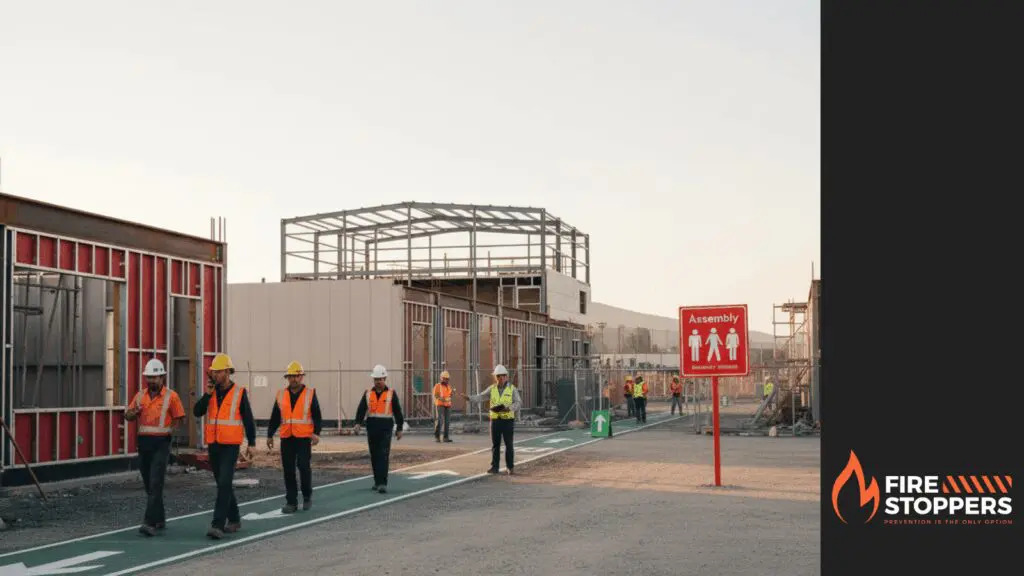
Construction sites must maintain clear evacuation routes throughout all phases of work. These routes require appropriate fire resistance ratings to ensure time for evacuation and fire service response. Temporary staircases and access scaffolds must incorporate passive fire protection measures to maintain their integrity during a fire.
Fire alarm Fire detection systems, while representing active fire protection systems, must be coordinated with passive fire stopping installations to enhance overall fire safety solutions. Temporary fire alarm installations must provide adequate coverage, ensuring compliance with fire safety solutions even as the building’s fire protection systems are being installed and commissioned.
Site induction training should cover fire safety procedures specific to the construction phase, including the location of fire-resistant evacuation routes and assembly points. Workers must understand how temporary fire protection systems differ from the permanent installations they may be familiar with from completed buildings.
Coordination with Fire Services: Expert Passive Fire Protection Planning
Early engagement with local fire services ensures that construction site fire safety measures meet their operational requirements. This coordination should address access routes for fire service vehicles, the location of fire hydrants, and the minimum requirements for fire safety during firefighting operations.
Fire services across Ireland increasingly require construction sites to provide detailed fire safety plans that outline both passive and active fire protection measures. These plans must be updated as construction progresses and fire risk profiles change. Regular liaison with fire authorities helps ensure that emergency response procedures remain effective throughout the construction period.
Quality Control: Experienced Fire Inspection and Testing

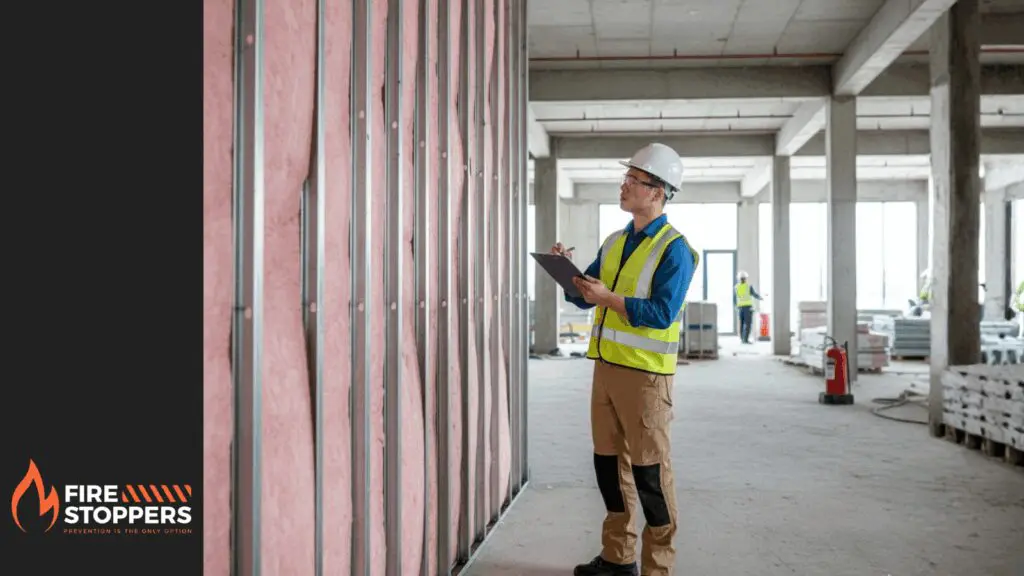
Regular inspection of temporary passive fire protection installations ensures they maintain their effectiveness despite the challenging construction environment. Dust, vibration, and physical damage can compromise fire-stopping materials, requiring ongoing monitoring and maintenance.
Testing of fire-resistant materials and assemblies should follow the same rigorous standards for fire resistance as permanent installations. Documentation of these tests provides essential evidence of compliance with fire safety regulations and may be required by insurers or fire authorities.
Third-party certification of temporary fire protection systems offers additional assurance that safety standards are being maintained. This independent verification has become increasingly important in the construction industry, particularly for complex or high-risk projects associated with fire safety solutions.
Cost Considerations: Balancing Fire Safety Features with Project Budgets

While implementing passive fire protection during construction involves additional costs, these investments prevent potentially catastrophic losses from fire incidents. Insurance premiums for construction projects reflect the level of fire safety measures in place, with comprehensive fire safety approaches often resulting in reduced premiums.
The cost of retrofitting fire protection after an incident far exceeds the expense of proper installation during construction. Building owners increasingly recognise that investing in construction-phase fire safety protects both life and property while potentially reducing overall project costs through improved risk management.
Sustainable Construction: Improved Fire Protection Through Modern Methods
Modern construction methods throughout Ireland increasingly incorporate off-site fabrication and modular construction techniques. These approaches offer opportunities for improved fire safety through factory-installed passive fire stopping and better quality control of fire protection systems.
Sustainable construction practices must balance environmental considerations with fire safety requirements. Some environmentally friendly materials may require additional fire protection measures to achieve the required fire resistance ratings, necessitating careful planning during the design phase.
Technology Integration: Fire Detection and Monitoring Systems
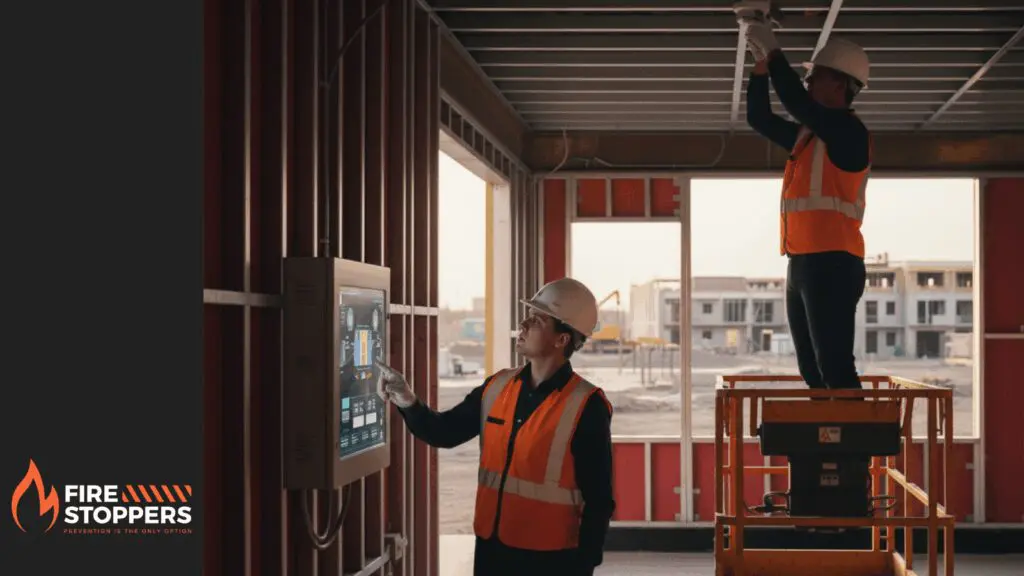
While passive fire protection provides fundamental fire containment, integration with smart monitoring systems enhances overall fire safety during construction. Sensors can detect temperature changes that might indicate fire development, triggering alerts before active fire protection systems would typically respond.
These technological solutions complement traditional passive fire stopping by providing early warning of potential fire hazards, allowing for rapid intervention before fires can establish and spread. This integration represents an evolution in construction site fire safety, combining established passive fire protection principles with modern monitoring capabilities.
Conclusion: Building Fire Safety from the Ground Up
Construction sites require the same attention to fire safety as completed buildings, with passive fire protection forming an integral part of any fire safety strategy during building works. From temporary fire doors to comprehensive fire stopping installations, these measures ensure that construction projects across Ireland maintain adequate standards of fire protection throughout their development.
Success in construction fire safety requires coordination between all parties, from building owners and contractors to fire services and safety consultants. By implementing appropriate fire protection strategies from project commencement, the construction industry can minimise fire risk while ensuring compliance with fire safety regulations in Ireland.
For construction projects requiring expert passive fire protection solutions, professional consultation ensures that temporary fire safety measures meet both regulatory requirements and practical site needs. Contact our fire safety specialists to discuss how passive fire protection can be effectively integrated into your construction project, ensuring the safety of persons and property throughout the building process.