Here’s something most people don’t think about until it’s too late: the walls, floors, and doors in your building might be the only thing standing between a small fire and a complete disaster.
We’ve been working in fire safety for over 20 years, and we’ve seen what happens when passive fire protection isn’t done properly. It’s not pretty. The good news? Get it right, and you buy yourself precious time when it matters most.
What Passive Fire Protection Actually Does
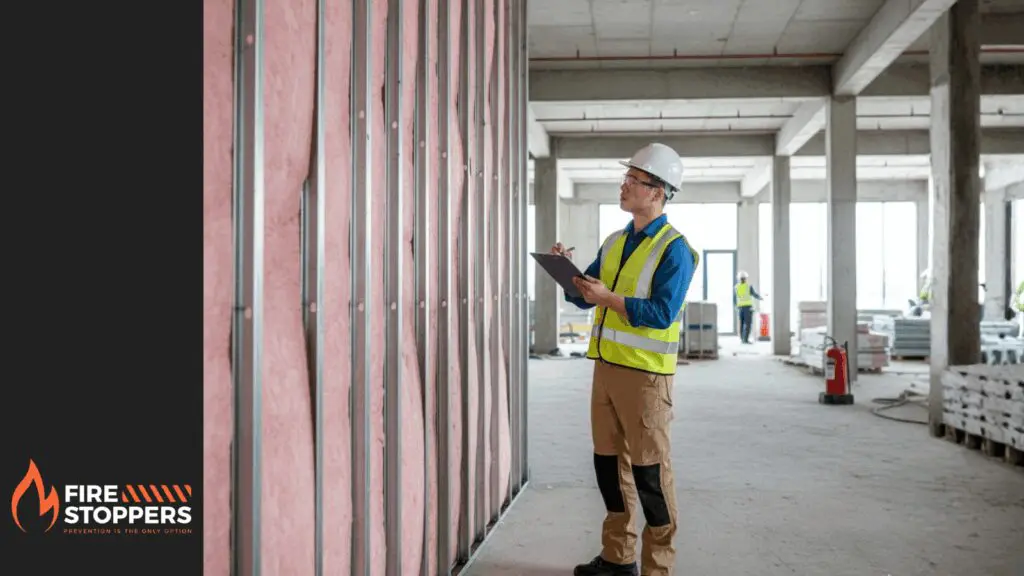
Think of passive fire protection as your building’s built-in fire defence system. Unlike sprinklers or alarms that spring into action when fire breaks out, passive protection is working 24/7 without you even noticing.
The whole point is to keep the fire trapped in one area long enough for people to get out and firefighters to get in. It’s about buying time in the event of a fire, because every minute counts.
We know Irish fire safety regulations inside out, and we make sure you’re compliant and safe. It’s what we do.
The Key Components That Keep You Safe
Passive fire protection isn’t one thing. It’s a system of different elements working together.
Fire-resistant walls and floors create compartments that contain the fire. Fire doors seal off escape routes and stop smoke from spreading. Fire-stopping materials seal up all those gaps where cables and pipes go through walls. Intumescent coatings expand when they get hot, creating an insulating barrier.
Each component has a job to do. Miss one, and you’ve got a weak link that fire will exploit.
Active vs Passive Why You Need Both
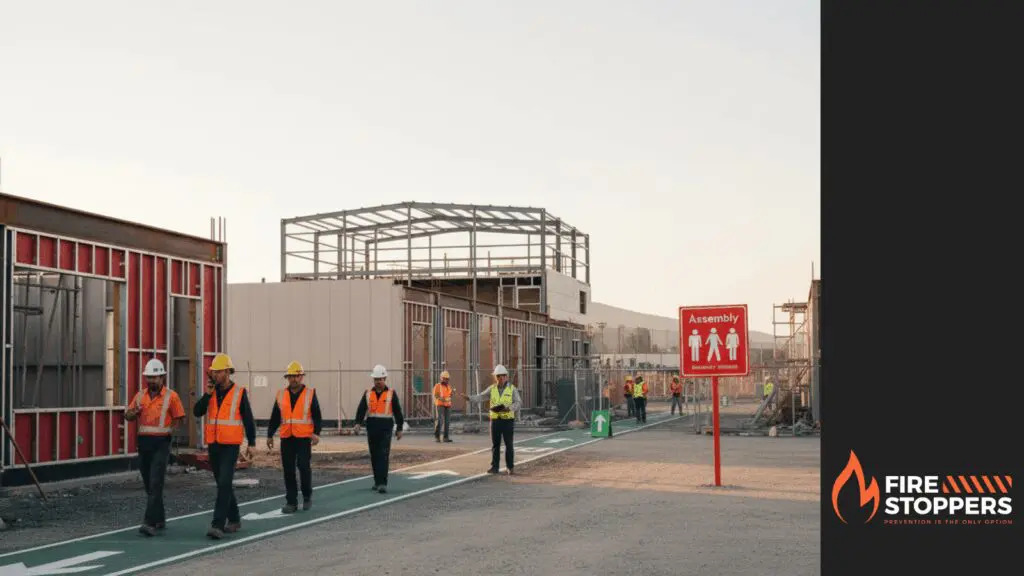
Active fire protection is the stuff that responds when fire breaks out alarms, sprinklers, and extinguishers. They need someone to activate them, or they need to detect the fire first.
Passive fire protection is already there, doing its job from day one. It doesn’t need batteries, maintenance schedules, or someone to press a button. It just works.
Here’s the thing: neither approach is enough on its own. Sprinklers can knock down flames, but without fire-resistant walls to contain the fire, you’re just playing catch-up. Fire doors buy you escape time, but you still need alarms to tell people to use them.
We make sure your passive systems work seamlessly with your active protection, because that’s how you get proper fire safety.
Passive Fire Protection Solutions We Actually Use
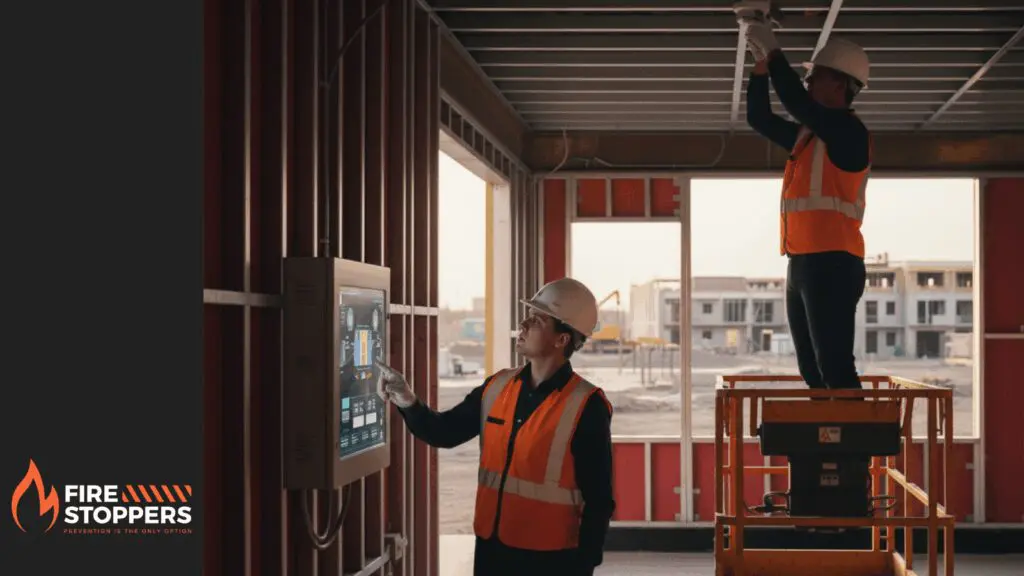
Every building is different, which is why we don’t do one-size-fits-all solutions. Here’s what we typically work with: a combination of active and passive fire protection systems.
Intumescent coatings are clever stuff. They look like normal paint until they hit high temperatures, then they expand up to 50 times their original thickness, creating an insulating char that protects the structure underneath.
Fire-stopping from collars wraps around pipes passing through walls. When fire hits them, they squeeze the pipe shut, stopping fire and smoke getting through.
Fire-resistant boards protect structural steel and other vulnerable elements. Steel loses strength fast when it gets hot, so we wrap it in materials that keep the temperature down.
Fire-rated doors are essential components of passive fire protection systems. They are probably the most visible element. They need to be tough enough to withstand intense heat and fitted properly, because a gap of just a few millimetres can let smoke through.
We supply and install all of these, and we make sure they meet fire safety regulations. No cutting corners.
Fire Stopping The Bit Most People Get Wrong
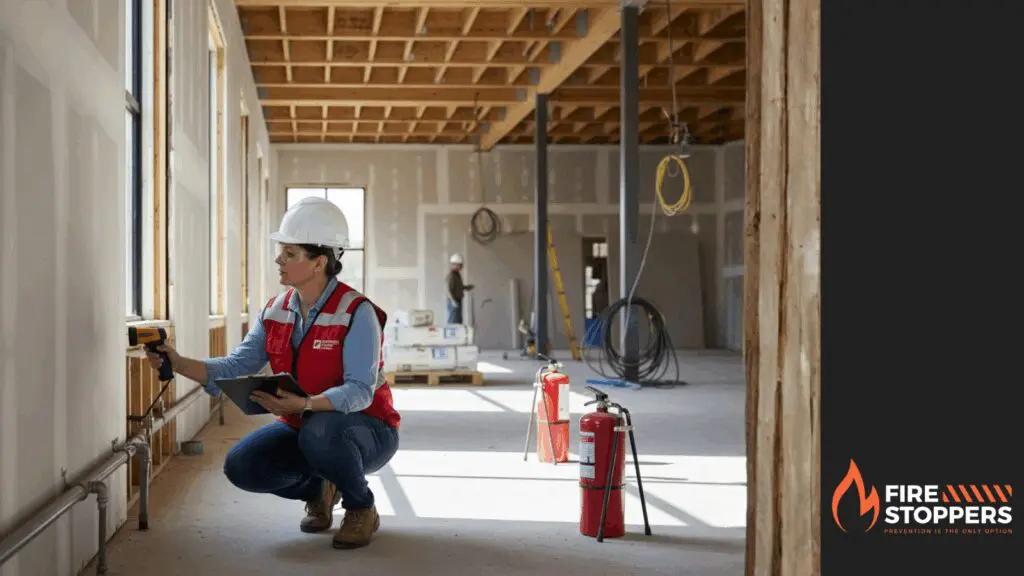
Walk through any building and you’ll see holes everywhere, cables running between floors, pipes going through walls, ventilation ducts, service penetrations. Each one is a potential pathway for fire and smoke.
Fire stopping is about sealing every single one of those penetrations properly. We use fire-resistant sealants, intumescent devices, and fire-stopping pillows, depending on what’s going through the wall and how big the gap is.
The problem? Inadequate measures can allow the spread of fire and smoke. It’s tedious work that requires attention to detail, and it often gets done badly or not at all. We’ve walked into buildings where someone’s just stuffed some mineral wool in and called it done. That’s not fire stopping. That’s wishful thinking.
We’re meticulous about it because we’ve seen what happens when it’s done wrong.
Fire Resistance Ratings: What the Numbers Mean

You’ll see fire protection products rated as FD30, FD60, or FD90. The number tells you how many minutes that component can hold back fire under test conditions.
An FD30 door gives you 30 minutes. An FD60 wall gives you an hour. FD90 systems give you 90 minutes.
Which rating you need depends on the building use, the occupancy, and what the fire safety engineer specifies. Taller buildings generally need higher ratings because evacuation takes longer. Buildings with vulnerable occupants need more time built in.
We make sure everything we install meets or exceeds the required ratings. There’s no point in having an FD60 door if the wall next to it only gives you 30 minutes.
Fire Compartmentation Dividing to Conquer
Here’s the fundamental strategy behind passive fire protection: divide your building into compartments using fire-resistant walls and floors, then make sure fire can’t jump between them to help prevent the spread of fire.
If fire starts in one compartment, it stays there long enough for people to evacuate from the others and firefighters to tackle it before it spreads. It’s simple in principle but requires careful execution.
Every penetration through a compartment wall needs proper fire stopping. Every door needs to be fire-rated and fitted correctly. Every junction between wall and floor needs to maintain the fire resistance. Miss any of these details and your compartmentation fails.
The benefits are huge. You protect escape routes. You limit property damage. You give firefighters a fighting chance to contain the fire. You potentially save lives.
We’ve got over 20 years of experience installing passive systems properly, and we guarantee compliance with fire safety regulations.
Getting It Right From the Start
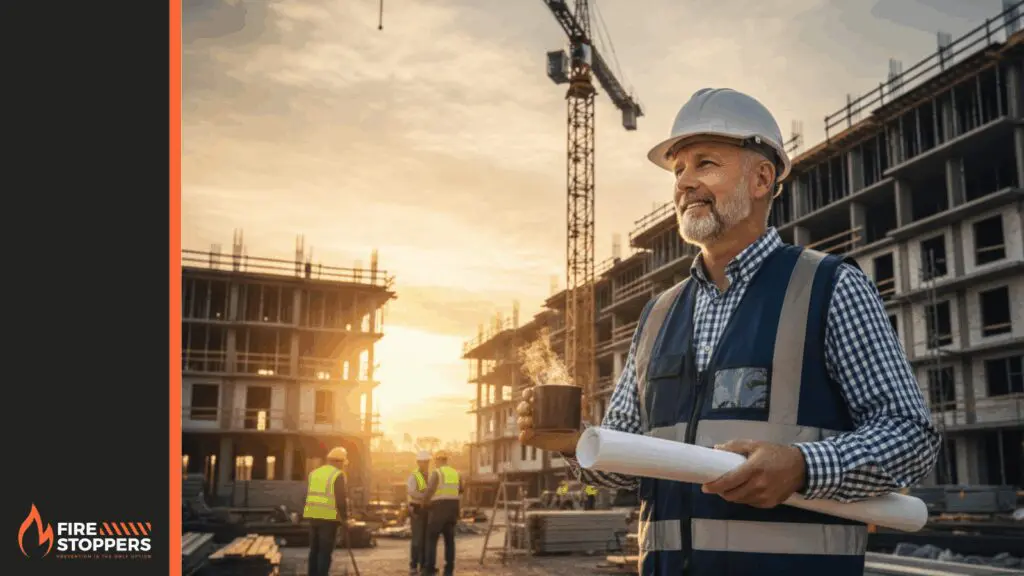
Fire protection isn’t something you want to retrofit if you can avoid it. It’s easier, cheaper, and more effective to build it in from the beginning.
We start with detailed site surveys to understand your specific needs. Different buildings have different challenges. A residential block has different requirements from a commercial office or an industrial warehouse.
Then we supply and install fire-resistant materials that actually work for your building. We’re not just ticking boxes. We’re creating a system that will perform when you need it to.
And we don’t just install and disappear. We provide ongoing maintenance because fire protection systems need checking. Doors get propped open, which can compromise passive fire protection systems. Seals get damaged. New cables get run through walls without proper fire stopping. Regular inspections catch these problems before they become dangerous.
Fire Risk Assessments Finding the Weak Spots
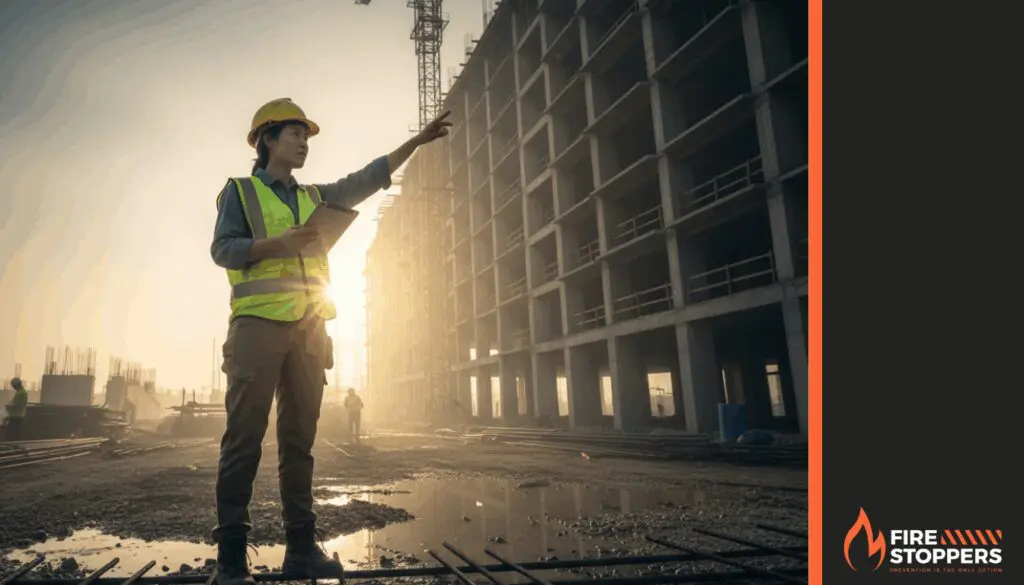
Every building is unique, and every building has its own fire risks. That’s why we do thorough fire risk assessments in Dublin.
These aren’t quick box-ticking exercises; they are crucial for preventing the spread of fire and smoke. They involve a consultancy fee because we’re doing proper analysis and detailed reporting. We’re looking at how your building is used, where the risks are, how people would evacuate, and what protection you currently have.
We’ve seen it all in fire prevention, and our assessments are designed to identify potential hazards before they become actual problems. It’s about keeping you safe and making sure you’re compliant with regulations.
We also offer fire safety audits to ensure ongoing compliance. Regulations change. Buildings change. Use changes. What was compliant five years ago might not be compliant now.
Tailored Solutions for Different Industries
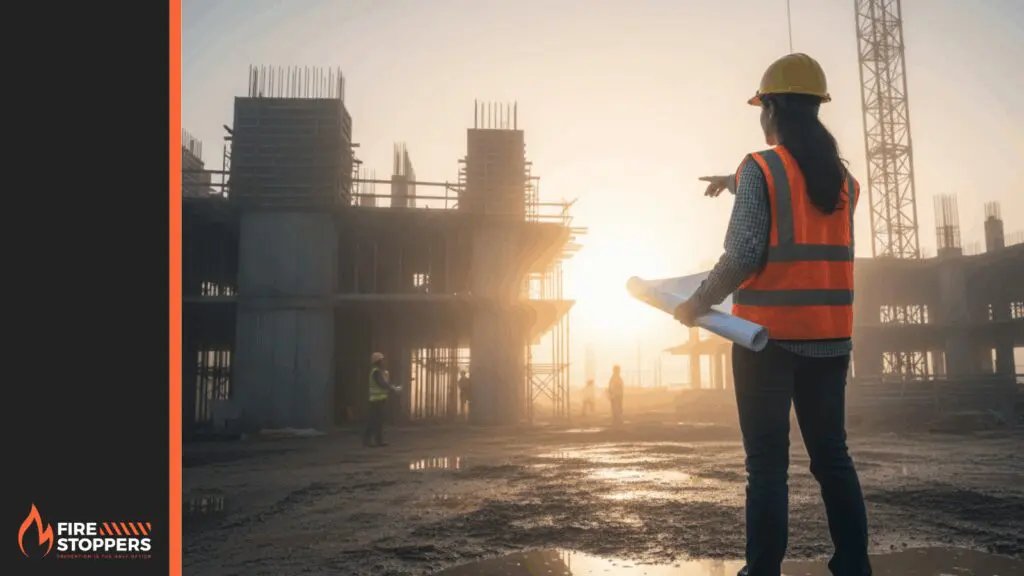
A hotel has different fire safety needs from a hospital. An office block isn’t the same as a warehouse. A school has its own specific challenges.
We offer fire safety management plans and fire evacuation planning tailored to your specific business and site. These integrate with your existing operations without disrupting your daily activities.
Our goal is comprehensive passive fire protection that actually works for how you use your building. Generic solutions don’t cut it when it comes to effective active and passive fire protection. You need something that fits your reality.
Looking Ahead Where Fire Protection Is Going
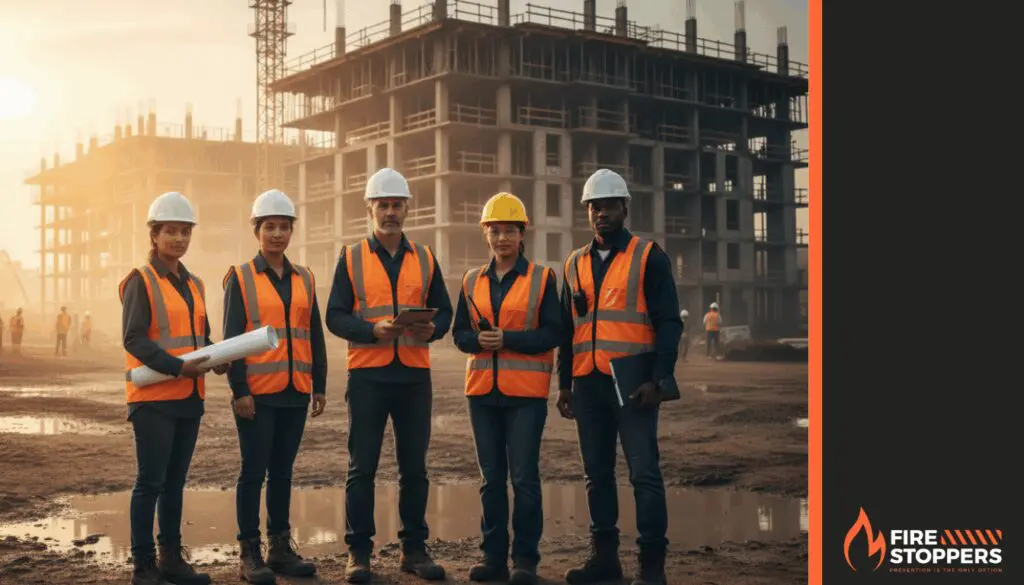
The field keeps evolving. New materials are being developed. Techniques are improving. Testing is getting more sophisticated.
We’re seeing more effective intumescent coatings that perform better at high temperatures. Fire-stopping materials are becoming easier to install whilst maintaining performance. Construction methods are incorporating fire resistance from the design stage rather than adding it later.
As experts in this field, we stay on top of these developments. Your building benefits from the latest innovations in passive fire protection.
Compliance Not Optional
Here’s the reality fire safety regulations in Dublin aren’t suggestions. They specify required fire resistance ratings, how passive fire protection must be installed, and how fire doors must be maintained.
Fail to comply, and you’re looking at significant penalties. More importantly, you’re putting people at risk.
We make sure you comply and stay safe. We know Irish fire safety rules inside out, and we offer a full range of fire protection services to meet all your needs.
Why Both Active and Passive Protection Matter
The most effective fire safety comes from combining both approaches properly.
Active systems like fire alarms and sprinklers respond to fire, complementing passive fire protection. Passive protection, like fire-resistant walls and properly installed fire doors, contains it. Together, they give you the best chance of preventing a small fire from becoming a major incident.
We know how to combine both approaches for comprehensive fire protection. That’s what 20-plus years of experience teaches you.
Getting Started
If you’re not sure where you stand with fire protection, start with an assessment. Find out what you’ve got, what you need, and what gaps exist.
We’re here to help. Whether you need new installations, maintenance of existing systems, or just honest advice about your fire safety, we’ve got you covered.
Because at the end of the day, this isn’t about regulations or ratings or technical specifications. It’s about people getting home safely.
That’s what matters.